How to Muddle Fruit Without a Muddler
Crafting cocktails at home often leads to improvisation, especially when certain tools are missing. One essential bar tool that sometimes slips my mind is the muddler. Yet, muddling fruit is such a vital step in many cocktails that I’ve discovered there are plenty of clever ways to do it even without this specialized equipment. Learning how to muddle fruit without a muddler not only saves time but also adds a layer of skill and creativity to making drinks.
In this article, I’ll share the techniques and everyday items I use for muddling fruit, how to pick the right produce, and why muddling is so crucial for building flavor in cocktails. Whether you’re shaking up a summer mojito or experimenting with something new, these tips will help you get the most flavor from your fruit.
The Importance of Muddling in Cocktails
Before diving into the practical steps, it’s worth exploring why muddling fruit is a fundamental process in mixology. Muddling means gently crushing fruit or herbs to release their fresh juices, essential oils, and aromatic compounds. This step infuses the cocktail with brightness, complexity, and layers of flavor that mere juice cannot provide.
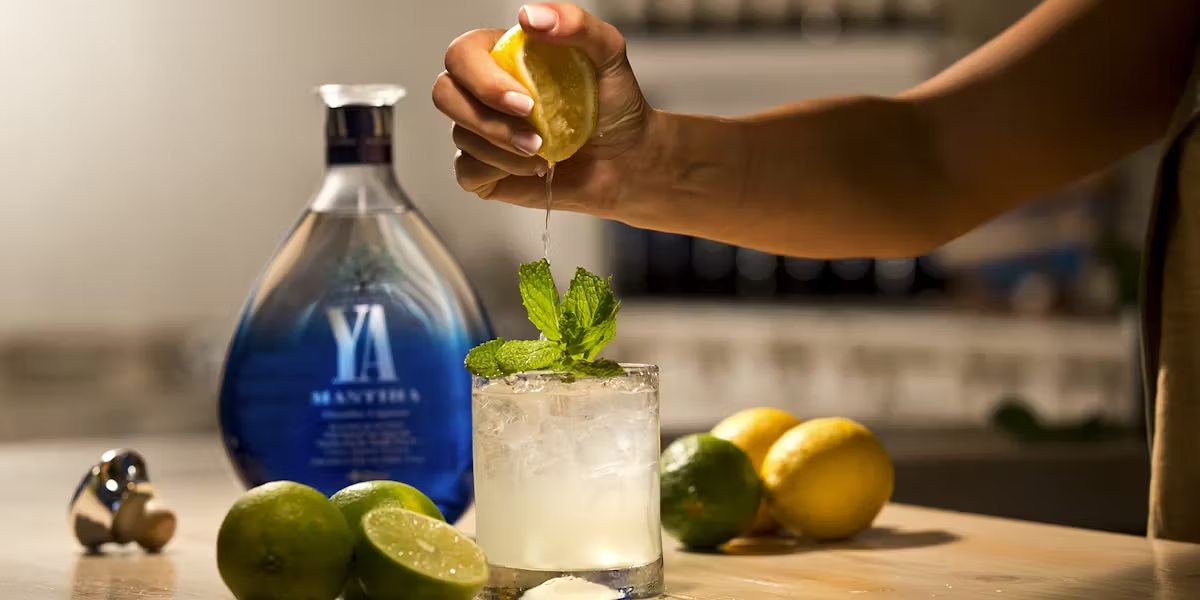
For example, think about the way lime wedges release vibrant citrus notes when muddled in a Caipirinha, or how fresh mint leaves burst with aroma in a mojito after a gentle press. Muddling allows the cocktail to have a natural freshness and a more dynamic taste experience.
Without this step, the drink may feel flat or one-dimensional. Even if you don’t have the standard muddler, finding a method to properly crush your fruit is the key to unlocking delicious, balanced cocktails.
Everyday Tools to Replace a Muddler
Lacking a muddler is not the end of the world. Over time, I have found several common household items that work remarkably well as substitutes, allowing you to muddle fruit without any fancy bar tools:
- Wooden Spoon or Handle: The rounded end of a wooden spoon is my go-to alternative. It’s sturdy, provides good leverage, and has a smooth surface that helps gently press the fruit without damaging it.
- Rolling Pin End: For larger pieces of fruit or tougher skins, the flat end of a rolling pin spreads pressure evenly and can press fruit effectively.
- Metal Spoon Back: The back of a metal spoon can work well, especially for softer fruits or herbs. Since the metal is harder, I always recommend applying gentle pressure to avoid bruising the fruit too much.
- Butt of a Knife or Small Pan: When nothing else is available, the dull end of a heavy knife or even the bottom of a small saucepan can act as a muddler, though care must be taken not to damage your glass.
- Your Hands: In a pinch, pressing fruit between your fingers or using your palm can help extract juice. This method works better for soft berries and herbs rather than firmer citrus.
These alternatives transform everyday kitchen tools into effective muddling instruments, keeping you from having to run out for specialized equipment.
How to Muddle Fruit Without a Muddler: Step-by-Step
I’ve developed a straightforward approach to muddling fruit without a muddler that produces consistent results. Here’s the process I follow:
Selecting Quality Fruit
The flavor of your cocktail hinges on the fruit you choose to muddle. I always pick fruit that is ripe, fresh, and juicy. Avoid fruits that are overly soft or bruised, as they can produce an unpleasant mushy texture or off flavors.
Preparing the Fruit
I cut the fruit into manageable pieces like wedges, slices, or chunks. Smaller pieces are easier to crush and help release more juice efficiently.
Placing Fruit in Your Mixing Vessel
I add the prepared fruit to a sturdy glass or shaker. Using a vessel with thick walls is important because muddling requires pressure and you want to avoid cracking delicate glasses.
Applying Gentle Pressure and Twisting
With the substitute tool in hand, I press down on the fruit firmly but gently. I usually add a slight twisting motion to help break down the fruit cells and release juices without pulverizing it. The goal is to coax out flavors, not create a puree.
Stopping at the Right Moment
You’ll know you’ve muddled enough when you see juice pooling at the bottom and can smell the bright aroma of the fruit. At this point, I stop to prevent extracting bitterness from seeds or pith.
Adding Remaining Ingredients
After muddling, I add the rest of the cocktail ingredients and continue with shaking or stirring as the recipe directs. The fresh flavors extracted during muddling enhance the overall drink beautifully.
Tips for Perfect Muddling Without a Muddler
Having muddled fruit hundreds of times without a muddler, I’ve learned several useful tips that can help you avoid common pitfalls:
- Moderate Your Force: Press too hard, and you risk breaking seeds or peel, which adds bitterness. Gentle, consistent pressure works best.
- Use a Thick, Durable Glass: A cocktail mixing glass or a mason jar can stand up to muddling pressure much better than a thin wine glass or delicate tumbler.
- Keep Tools Clean and Dry: To avoid transferring unwanted flavors, make sure your alternative muddling tools are properly cleaned and dried.
- Muddle in Small Batches for Large Recipes: If your cocktail calls for a lot of fruit, muddle in portions to maintain control and avoid turning everything into mush.
- Chill Your Glass Beforehand: A cold glass helps preserve the freshness of muddled fruit and keeps the cocktail cooler longer.
How Different Fruits React to Muddling
Different fruits require slightly different techniques due to texture and juice content:
- Citrus Fruits: Lime, lemon, and orange wedges respond best to gentle pressing and twisting. Avoid muddling too aggressively to keep pith bitterness at bay.
- Berries: Strawberries, raspberries, and blackberries are softer and release juice quickly. A few light presses are enough.
- Pineapple and Melon: These fruits are juicy and fibrous, so I often use a rolling pin end to press evenly without shredding.
- Stone Fruits: Peaches, cherries, and plums need to be cut smaller. Watch out for pits as crushing them releases bitterness.
- Herbs: Though not fruit, fresh herbs like mint and basil also get muddled. I gently bruise the leaves with a spoon or wooden handle, releasing oils without shredding.
Recipes That Benefit from Muddled Fruit
Knowing how to muddle fruit without a muddler opens up a world of cocktails that burst with fresh flavor. Here are a few of my favorites:
- Mojito: Muddled mint and lime with sugar, rum, and soda water make this a classic refreshing cocktail.
- Caipirinha: Brazil’s national drink features muddled lime and sugar mixed with cachaça for a crisp, tangy taste.
- Berry Smash: I muddle mixed berries with lemon juice and simple syrup before adding gin or vodka for a bright, fruity twist.
- Whiskey Smash: Mint and lemon wedges get muddled with sugar before adding whiskey for a flavorful, aromatic drink.
Final Thoughts
Learning how to muddle fruit without a muddler has been one of the most rewarding parts of my cocktail journey. It has allowed me to mix fantastic drinks anytime, anywhere, with whatever tools are at hand. The key lies in using everyday items cleverly and applying just the right amount of pressure to bring out fresh, vibrant flavors.
Muddling is about unlocking the true essence of ingredients — turning simple fruit into something that sings within your cocktail. No matter your level of experience or what equipment you own, mastering this technique will elevate your home bartending skills and impress your guests.
So next time a recipe calls for muddled fruit and your muddler is nowhere to be found, don’t fret. Look around your kitchen — the solution might just be a wooden spoon or a rolling pin away. Your cocktails will thank you for it.
Cheers to muddling mastery and delicious drinks!