How to Create Layered Cocktails at Home
Layered cocktails hold a special place in the world of mixology, captivating drinkers with their vibrant, distinct bands of color stacked elegantly within a glass. The skill to create these eye-catching beverages doesn’t require professional bartending experience or fancy tools; instead, it’s about understanding the fundamentals of liquids and practicing a few simple techniques. If you’ve ever wondered how to create layered cocktails at home, I’m here to share everything I’ve learned through trial and error, turning a simple drink into a striking work of art.
The Art and Science of Layering
At the heart of crafting layered cocktails lies an interesting scientific principle: liquid density. Each liquid has a different weight or density based on its sugar content and alcohol level. Denser liquids naturally sink to the bottom, while lighter ones float on top. For instance, a syrup heavy with sugar will settle below a clear spirit like vodka, which contains less sugar and has a lighter density.
Understanding this allows you to stack multiple liquids without them blending together immediately. To create the distinct layers, the heaviest ingredient must always go in first, followed by the next heaviest, and so on, finishing with the lightest on top. Over time, I’ve realized that mastering this sequence is key to achieving sharp layers.
Choosing Ingredients for Layered Cocktails
Selecting the right components is critical. A well-layered drink depends on contrasting densities, but color differences are equally important to make the layers visually distinct. Dark syrups like grenadine or blue curaçao, creamy liqueurs like Baileys, and clear spirits all play roles in forming these colorful strata.
I like to refer to density charts or experiment with common ingredients at home. Sweetened liqueurs and juices generally form the bottom layers, while spirits with higher alcohol percentages usually float above. If you have a bottle of grenadine, you’ll notice it pours slowly and sits at the bottom; that’s because it’s packed with sugar.
For a beginner-friendly cocktail, a classic B-52 offers three distinct layers: coffee liqueur, Irish cream, and orange liqueur. It’s a perfect starting point to practice pouring and layering techniques.
Tools and Techniques for Layering Cocktails
Although professional bartenders have specialized tools, at home you don’t need much—just a few basics and patience. I usually work with:
- A long-handled spoon, known as a bar spoon, which allows me to pour liquids gently over the back rather than directly into the glass.
- A jigger for measuring ingredients accurately.
- Clear glasses so the colorful layers can shine through.
If you don’t own a bar spoon, a regular spoon with a long handle can work in a pinch. The goal is to control the pour so that the liquid trickles slowly down the side of the glass instead of splashing in and mixing.
Step-by-Step Guide on How to Create Layered Cocktails at Home
Prepare Your Glass and Ingredients
Starting with a clean, chilled glass makes a big difference. I like to keep my glass in the freezer for a few minutes before layering. Chilling helps maintain the integrity of the layers because cold liquids mix less quickly.
Next, gather your ingredients in order of density, from heaviest to lightest. Keep everything at similar temperatures to avoid sudden mixing caused by temperature differences.
Pour the Bottom Layer Slowly and Steadily
Pouring the first layer is the foundation of your cocktail. I gently tip the glass and pour the densest liquid straight into the bottom. Avoid splashing by pouring close to the glass’s side.
Use the Back of a Spoon for the Next Layers
Here’s the trick that transforms a simple pour into a layered masterpiece. Hold the spoon upside down over the glass with the tip just above the liquid’s surface. Slowly pour the next liquid over the spoon’s back, letting it drip gently down the side.
This slows the pour and reduces the liquid’s kinetic energy, allowing it to float atop the previous layer rather than mixing.
Repeat with Remaining Ingredients
Continue layering liquids from heavier to lighter using the spoon method. Each layer should rest gently on the one below it, creating distinct bands of color. I often pause between layers to let the liquids settle.
Serve and Savor
Once all layers are in place, serve the drink immediately to preserve the visual effect. Guests will enjoy both the look and the gradual blending of flavors as they sip.
Overcoming Common Challenges
Creating perfectly separated layers takes practice, and it’s common to run into a few issues. Sometimes the layers mix or look muddy. I’ve learned these tips help improve results:
- Pour slowly and steadily; speed causes mixing.
- Make sure the liquids are in the correct density order.
- Chill your glass and ingredients.
- Keep the spoon close to the surface while pouring.
Experimenting with small amounts at first helps you avoid wasting ingredients and build confidence.
Creative Layered Cocktail Ideas
Trying new recipes keeps the craft exciting. Here are some layered drinks I enjoy making at home:
- B-52: Coffee liqueur, Baileys Irish Cream, Grand Marnier.
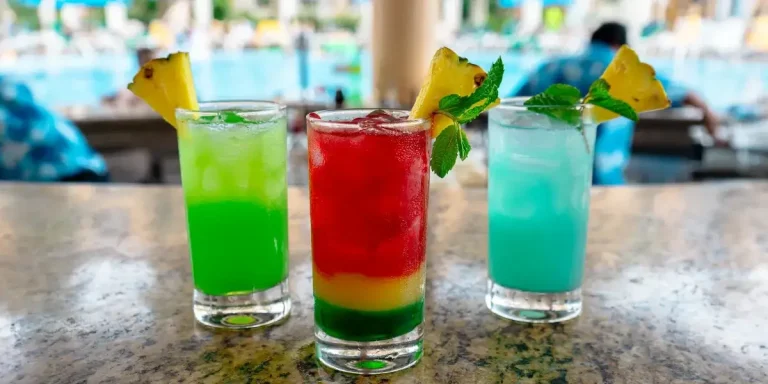
- Traffic Light: Grenadine, orange juice, green crème de menthe.
- Rainbow Shooter: Grenadine, orange juice, blue curaçao, vodka.
Each offers unique colors and flavors while helping you practice layering techniques.
Personal Tips for Success
Patience is the best advice I can give to anyone learning how to create layered cocktails at home. Rushing the process usually leads to blended, muddy drinks. I also recommend experimenting with your own ingredient combinations beyond classic recipes.
Keeping track of ingredient densities in a notebook can speed up future attempts. And sharing your creations with friends provides both feedback and motivation.
Adding Flair with Garnishes and Presentation
Layered cocktails already grab attention, but a thoughtful garnish can elevate the experience even more. Citrus twists, fresh herbs, or edible flowers add aroma and color contrast.
Serving these drinks in tall, narrow glasses like Collins or shot glasses enhances the layers’ appearance. Using clear glassware is crucial because the beauty lies in seeing the distinct bands.
Final Reflections
Crafting layered cocktails has transformed the way I approach home bartending. It’s a fascinating mix of art and science, where a little knowledge goes a long way. Each layered drink tells a story—not just through taste but through visual spectacle.
If you’re passionate about making your cocktails stand out, learning how to create layered cocktails at home is a rewarding skill. With practice, patience, and a bit of creativity, you can impress your friends and enjoy beautiful, delicious drinks any day of the week.