Beginner Bartender Setup: Tools You Actually Need
Starting out as a home bartender can feel overwhelming with the variety of equipment available on the market. When I first decided to build my own bar, I quickly realized that you don’t have to buy everything at once or spend a fortune on fancy gadgets to create enjoyable cocktails. Instead, focusing on a few essential, practical tools is the smartest way to establish your beginner bartender setup. In this guide, I’ll share from my own experience the key items that will help you craft cocktails confidently and efficiently without clutter or confusion.
Knowing which tools to invest in when you’re just starting out can save you money, counter space, and frustration. I’ve been through the trial and error, and I want to help you avoid some common pitfalls. The goal is to have a reliable, streamlined kit that makes mixing drinks a joy rather than a chore.
Why Keep It Simple at First?
When I started mixing drinks at home, I was tempted by all kinds of bar gadgets promising to improve my skills or speed up the process. But I soon realized that the core bartending tools are what really matter. A minimalist approach allows you to develop a strong foundation in technique, learn the nuances of flavor balance, and gain confidence behind the bar without feeling overwhelmed by an array of unnecessary items.
A simple setup also means less cleanup and easier maintenance, which encourages you to practice more often. Once you become comfortable with these basics, expanding your collection and trying more advanced tools will feel natural and purposeful.
Essential Tools for Your Beginner Bartender Setup
I’ve narrowed down my list to the tools that I use the most and that offer the best return on investment for new bartenders.
Cocktail Shaker: Your Mixing Workhorse
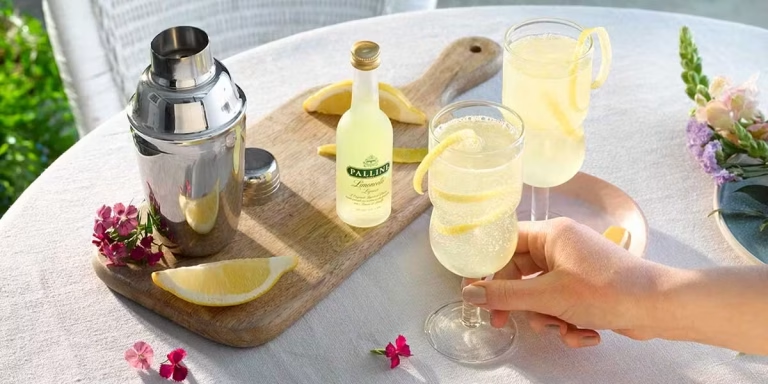
No home bar is complete without a cocktail shaker. This tool is vital for mixing ingredients thoroughly and chilling drinks quickly. When I first bought my shaker, I chose a cobbler style, which has three parts including a built-in strainer. It’s incredibly user-friendly for beginners because you don’t have to juggle separate pieces.
Alternatively, the Boston shaker—which includes a metal tin and a mixing glass or another tin—is favored by professionals for its larger capacity and versatility, but it can be a little intimidating for those new to bartending. Either way, stainless steel construction is ideal because it’s durable, easy to clean, and looks sleek.
Jigger: Measure Like a Pro
Precision in your pours is crucial if you want your cocktails to taste consistently great. When I first eyeballed measurements, some drinks turned out too strong or too weak. Adding a jigger to my bar was a game changer. It’s a small hourglass-shaped measuring tool that typically has two different measurements, such as 1 ounce and 1.5 ounces, though some offer even more options.
Using a jigger helps you learn the right ratios and brings professionalism to your mixing. It’s a small investment that makes a huge difference.
Bar Spoon: More Than Just Stirring
A bar spoon is an essential yet often overlooked tool. Its long handle allows you to reach the bottom of tall glasses and shakers, and the twisted shaft helps with controlled stirring and layering of drinks. I quickly found that having a quality bar spoon made stirring cocktails smoother and more enjoyable.
Look for a stainless steel spoon with a comfortable grip. This tool comes in handy not just for stirring but also for scooping garnishes or lightly muddling soft ingredients when needed.
Strainer: Keep It Clean
Straining your cocktail is just as important as mixing it well. After shaking or stirring, you want to ensure the liquid you pour into your glass is free from ice shards, pulp, or other solids. This is where a strainer plays a crucial role.
The most common type is the Hawthorne strainer, which fits over the mouth of a shaker or mixing glass and features a spring coil that catches unwanted bits. Using a strainer instantly improves the texture and appearance of your cocktails.
Muddler: Unlock Fresh Flavors
For cocktails that call for fresh herbs, fruit, or sugar cubes, a muddler is indispensable. It’s a tool designed to gently crush ingredients, releasing essential oils and flavors without tearing or bruising.
I initially underestimated the muddler, but making mojitos, old fashioneds, and other muddled drinks taught me its value. Wooden or stainless steel versions work well—choose one that feels sturdy and comfortable in your hand.
Mixing Glass: For the Art of Stirring
Not all cocktails are shaken. Many classic recipes require stirring to combine ingredients gently without bruising spirits. A dedicated mixing glass makes this task easier and more elegant.
While you can improvise with other glasses, investing in a proper mixing glass adds to your beginner bartender setup’s functionality and professionalism. It’s particularly useful for drinks like Martinis and Manhattans.
Ice Tools: Don’t Overlook Quality Ice
Ice is often the silent hero of a good cocktail. The size and shape of your ice affect how the drink chills and dilutes over time. When I first started, I simply used whatever ice I had on hand, but upgrading to larger ice cubes made a noticeable difference.
Start with basic ice trays that produce clear, firm cubes. Later on, you might want to add silicone trays for easy release or an ice crusher for cocktails requiring crushed ice.
Citrus Juicer or Reamer: Fresh Juice Matters
Many cocktails depend on the brightness and acidity that only fresh citrus juice can provide. I found that having a small handheld citrus juicer or reamer in my bar toolkit made squeezing lemons and limes effortless.
Freshly squeezed juice tastes brighter and cleaner than bottled alternatives, so I recommend adding this simple tool early on.
Extra Tools Worth Considering Later
Once you’ve mastered the essentials, you might want to consider adding a few extras that make bartending even smoother:
- Fine mesh strainer: Great for double straining to remove smaller ice shards and pulp.
- Pour spouts: These help control the flow of spirits from bottles, making pours quicker and more accurate.
- Glassware: Having a few classic glasses such as rocks glasses, highballs, and coupes can improve the overall drinking experience.
- Bottle opener and corkscrew: Useful for opening beer, wine, and other bottled ingredients.
Organizing Your Setup for Efficiency
Having the right tools isn’t enough; keeping them organized and accessible makes a huge difference. I store my tools in a dedicated bar caddy, which keeps everything in one place and saves time when mixing drinks.
Organizing your tools by function—for example, keeping all measuring instruments together—helps streamline the bartending process and reduces clutter. It also makes cleanup easier.
Lessons Learned and Tips for Beginners
If I could rewind and give myself some advice about setting up my beginner bartender kit, it would be to focus on quality items that feel good to use and not get distracted by every new gadget on the market.
Start small, learn how to use each tool properly, and experiment with simple recipes to build your skills. The basics are all you need to make classic cocktails and have fun in the process. Your setup will grow naturally as you discover your style and preferences.
Wrapping Up Your Beginner Bartender Setup
Starting your home bar journey doesn’t require a huge investment or fancy equipment. With a well-chosen cocktail shaker, jigger, bar spoon, strainer, muddler, mixing glass, and some good ice tools, you’re ready to create a wide variety of cocktails that will impress friends and satisfy your taste buds.
Focus on learning how to use these tools well, keep your bar organized, and enjoy the process of discovery. Building your beginner bartender setup is just the first step toward becoming a confident, creative mixologist. Here’s to delicious drinks and great times ahead!