How to Make Non-Alcoholic Cocktails That Taste Real
Creating drinks without alcohol that truly capture the essence and sophistication of traditional cocktails can seem challenging at first. Yet, with the right knowledge and ingredients, it is entirely possible to craft non-alcoholic beverages that are just as flavorful and complex as their alcoholic versions. I’ve spent a lot of time experimenting in this area and have discovered techniques that bring out genuine depth and character in mocktails, proving they don’t have to feel like watered-down versions of real cocktails.
In this guide, I want to share the insights I’ve gathered on how to make non-alcoholic cocktails that taste real, helping you prepare refreshing, exciting drinks that can be enjoyed by anyone regardless of their preference for alcohol.
The Growing Appeal of Non-Alcoholic Cocktails
The rise of mindful drinking and a focus on health and wellness has fueled interest in non-alcoholic cocktails. More people than ever want to avoid or reduce alcohol consumption without missing out on social experiences or tasty beverages. Non-alcoholic cocktails provide an excellent solution that allows everyone to partake in the fun with a drink that feels special and thoughtfully crafted.
I find that the key to making these drinks appealing lies in avoiding overly sweet or simplistic flavors. Instead, it’s about carefully balancing a variety of tastes and textures to keep the drink lively and interesting. This balance is exactly what I’ve learned to achieve in how to make non-alcoholic cocktails that taste real.
Understanding Flavor Profiles Beyond Alcohol
Alcohol is known for contributing bitterness, warmth, and body to cocktails, so replacing these qualities without losing the overall experience is essential. To accomplish this, I learned to focus on creating a harmonious blend of four fundamental flavor components: bitterness, acidity, sweetness, and depth.
- Bitterness: I use ingredients like tonic water, herbal infusions, or alcohol-free bitters to introduce a slightly bitter undertone that prevents the drink from tasting flat or cloyingly sweet.
- Acidity: Fresh citrus juice, vinegar-based shrubs, or tart fruits bring brightness and a clean finish, mimicking the sharpness that spirits often provide.
- Sweetness: Instead of relying on plain sugar syrups, I prefer natural sweeteners such as honey, maple syrup, or fruit concentrates, which offer nuanced flavors and prevent the drink from becoming one-dimensional.
- Depth and Complexity: To replicate the fullness that alcohol offers, I add aromatic spices, smoky salts, or ginger, which enrich the flavor and add intrigue.
Balancing these elements carefully is what makes the difference between a plain juice and a truly satisfying mocktail.
Building a Solid Ingredient Base
One of the most important steps in how to make non-alcoholic cocktails that taste real is choosing the right ingredients from the start. High-quality, fresh components are key. Here are some of my favorites that I keep stocked:
- Freshly Squeezed Citrus Juices: Lemon, lime, grapefruit, and orange juices bring sharpness and zest.
- Herbal and Floral Teas: Hibiscus, chamomile, and rooibos teas add body and a subtle tannic bitterness.
- Sparkling Water and Tonic: These add effervescence and a gentle bite that mimic carbonated mixers in alcoholic drinks.
- Fruit Syrups and Purees: Homemade or artisan-made purees and syrups provide natural sweetness and richness.
- Non-Alcoholic Bitters: These are a relatively new innovation, offering complex herbal and spice notes without any alcohol content.
By mixing and matching these ingredients thoughtfully, you can craft a variety of flavor profiles to suit different moods and occasions.
Techniques That Enhance Mocktail Quality
Ingredients alone don’t guarantee a great drink — technique is equally important in how to make non-alcoholic cocktails that taste real. The way ingredients are handled and combined greatly affects the final result.
Muddling for Freshness
Muddling fresh herbs, fruits, and even spices helps release their natural oils and intensifies their aromas. I often muddle mint, basil, cucumber, or berries gently to infuse their flavors deeply into the drink without overpowering it.
Controlling Temperature and Dilution
Ice is an often overlooked but crucial element. The type of ice you use — whether crushed, cubes, or spheres — can influence how fast the drink dilutes and how cold it stays. Slow-melting ice cubes are ideal because they chill the drink while maintaining flavor integrity over time.
Shaking and Stirring Properly
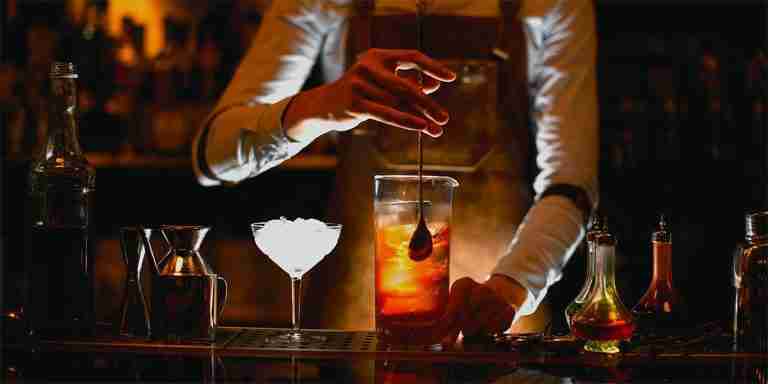
I use shaking for cocktails with juices, syrups, or creamy textures because it mixes ingredients thoroughly and creates a refreshing chill. Stirring is better suited for drinks where clarity and subtle blending of flavors matter, such as those featuring bitters and tonic.
Layering Flavors for Complexity
Instead of mixing everything at once, I sometimes layer ingredients. For example, I pour a flavored syrup first, then citrus juice, followed by sparkling water. This technique builds more nuanced flavors and a beautiful presentation.
Garnishing with Purpose
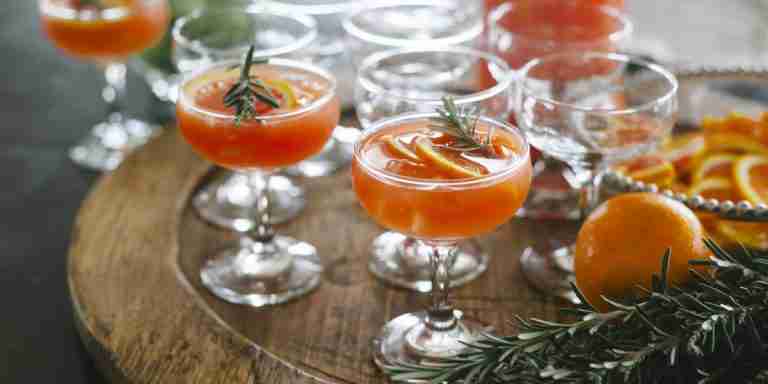
Garnishes aren’t just decorative. Adding a fresh herb sprig, a citrus twist, or even a lightly crushed spice on top can enhance the aroma and give the drink an extra dimension. I always consider how the garnish complements the flavors within.
Recipes That Demonstrate How to Make Non-Alcoholic Cocktails That Taste Real
Here are a few recipes I’ve perfected that showcase the principles above. Each one delivers a rich, enjoyable experience that doesn’t feel like it’s missing anything.
Grapefruit and Basil Refresher
- 2 ounces freshly squeezed grapefruit juice
- 1 ounce fresh lemon juice
- 0.75 ounces honey syrup (made from equal parts honey and water)
- 3 ounces tonic water
- A handful of fresh basil leaves
- Ice cubes
Muddle the basil leaves gently in a shaker to release their fragrance. Add the grapefruit juice, lemon juice, honey syrup, and ice. Shake well to combine and chill. Strain into a glass filled with fresh ice and top off with tonic water. Garnish with a basil sprig and a thin slice of grapefruit peel.
Ginger and Cinnamon Sparkler
- 2 ounces brewed ginger tea (strong and cooled)
- 1 ounce lime juice
- 1 ounce simple syrup
- Sparkling mineral water
- A pinch of ground cinnamon
- Ice
Combine ginger tea, lime juice, simple syrup, and cinnamon in a shaker filled with ice. Shake briskly and strain into a tall glass with ice. Top with sparkling mineral water and garnish with a lime wheel or a cinnamon stick.
Mint and Berry Smash
- 5 fresh blackberries or raspberries
- 0.75 ounces fresh lemon juice
- 1 ounce agave syrup
- Fresh mint leaves
- Sparkling water
- Crushed ice
Muddle berries and mint together to release their juices and oils. Add lemon juice, agave syrup, and crushed ice. Shake well and strain into a glass filled with crushed ice. Top with sparkling water and garnish with a sprig of mint and a few whole berries.
Common Mistakes and How to Avoid Them
Through trial and error, I’ve learned that some pitfalls can easily derail your attempts at crafting believable mocktails:
- Too Much Sweetness: Many non-alcoholic drinks become cloying when sweeteners overpower the balance. Always taste and adjust acidity to counteract sweetness.
- Using Artificial or Bottled Juices: These often lack freshness and add unpleasant chemical notes. Freshly squeezed juice makes a huge difference.
- Neglecting the Role of Ice: A warm or overly diluted drink is rarely enjoyable. Choose your ice carefully and serve drinks well chilled.
- Ignoring Bitterness and Depth: Skipping bitter or herbal notes results in flat, uninspired drinks. Use tonic, tea, or bitters to add dimension.
How Non-Alcoholic Cocktails Can Transform Gatherings
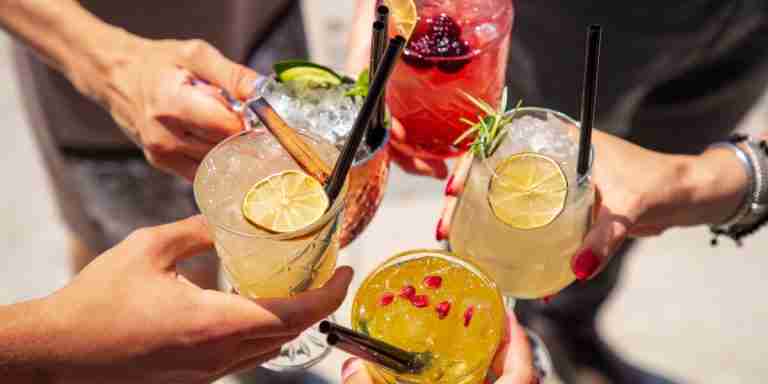
Offering drinks that everyone can enjoy regardless of alcohol preferences has transformed my social events. Non-alcoholic cocktails that taste real encourage inclusivity and provide a sophisticated alternative that keeps the mood lively. They’re perfect for designated drivers, pregnant friends, or anyone seeking a mindful drinking experience without sacrificing flavor or fun.
Final Reflections
Mastering how to make non-alcoholic cocktails that taste real involves understanding flavor balance, selecting quality ingredients, applying proper techniques, and embracing creativity. It’s about more than just removing alcohol—it’s about designing a drinking experience that is just as rich, exciting, and satisfying.
If you’re curious and willing to experiment, the journey is rewarding. With practice and a bit of imagination, you’ll be able to delight yourself and your guests with vibrant, nuanced drinks that hold their own alongside classic cocktails.
Here’s to discovering the joy of truly great non-alcoholic cocktails!