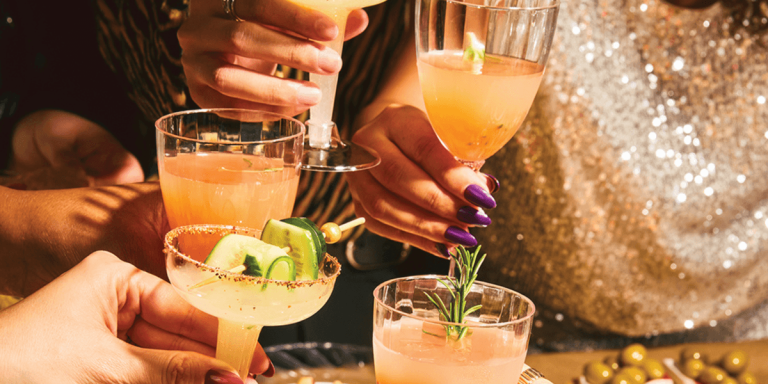
DIY Cocktail Garnishes for Beginners
Cocktail garnishes often receive less attention than the drink itself, yet they play a crucial role in defining a cocktail’s character. These small details contribute not only to the aesthetics but also to the aroma and flavor profile, making the entire drinking experience more enjoyable. If you’re just stepping into the world of home mixology, learning how to make DIY cocktail garnishes for beginners can be a game-changer. It’s surprisingly simple and rewarding to create your own garnishes that enhance the cocktails you love.
In this article, I’ll walk you through approachable garnish ideas, share practical tips, and explain how you can turn basic ingredients into impressive decorative touches. Crafting your own garnishes opens the door to endless creativity and allows you to tailor your drinks exactly to your taste.
The Role of Garnishes in Cocktails
Garnishes do much more than decorate a glass. They can influence your cocktail’s aroma, highlight specific flavor notes, and provide texture contrasts. The first thing you notice when a cocktail is served is often its appearance and smell, and a thoughtfully placed garnish contributes to both. A fresh sprig of mint or a twist of lemon peel can awaken your senses before the first sip.
From my own experience, the presence of a well-chosen garnish makes even a simple cocktail feel special. It signals that care has gone into crafting the drink and invites you to slow down and savor the moment. This is why DIY cocktail garnishes for beginners is a skill worth developing—because it transforms your home bartending from ordinary to exceptional.
Tools That Simplify Garnishing
Starting out doesn’t require an extensive toolkit. A few essentials can make garnish preparation straightforward and enjoyable. I find that having a small, sharp paring knife is indispensable for cutting fruit and herbs precisely. A vegetable peeler or channel knife is another handy tool, perfect for creating elegant citrus twists or thin ribbons.
Kitchen scissors come in very handy for trimming herbs or cutting cocktail picks to the right size. Speaking of picks, keep a stash of cocktail picks or toothpicks to skewer fruits or olives for neat presentation. Finally, a small cutting board dedicated to garnish prep helps keep your workspace organized and hygienic.
With these basic tools, you’ll feel confident experimenting with all sorts of garnishes without feeling overwhelmed.
Citrus Twists and Wheels: A Simple Starting Point
One of the easiest and most versatile garnishes involves citrus fruits. Lemons, limes, oranges, and grapefruits are readily available and add a bright pop of color and aroma to many cocktails.
To make a citrus twist, use a peeler or a sharp knife to slice a thin strip of peel, carefully avoiding the white pith underneath which can taste bitter. You can then coil this strip around a bar spoon or a straw to create a spiral shape that looks great perched on the edge of a glass.
This type of garnish not only looks sophisticated but also releases aromatic oils that enhance the drinking experience. Sometimes, I like to flame the twist by holding it over a small flame and squeezing the peel to spray essential oils onto the cocktail, adding a subtle smoky note.
Another popular option is slicing citrus into thin wheels or half-moons, which float attractively on top of tall drinks like spritzers or mojitos. These slices add both visual appeal and a refreshing burst of citrus flavor as they mingle with the cocktail.
Using Fresh Herbs to Add Aroma and Flair
Fresh herbs are a fantastic garnish choice that brings natural fragrance and a touch of greenery to your cocktails. Mint, rosemary, thyme, and basil are favorites I keep on hand because they complement a wide range of drinks.
When adding herbs as garnishes, a gentle smack between your palms before placing them in the drink helps release their essential oils, making the cocktail smell fresh and inviting. For example, a mint sprig pairs wonderfully with a mojito, while a rosemary sprig enhances the piney notes of a gin-based cocktail.
If you want to experiment, lightly toasting herb sprigs over a flame produces a smoky aroma that adds complexity. Just be sure to blow out the flame before placing the herb in the glass.
Fruit Skewers: Delicious and Decorative
Another beginner-friendly garnish is creating fruit skewers. By threading small pieces of fruit such as berries, grapes, or melon balls onto cocktail picks, you add a tasty snack and an eye-catching decoration.
I enjoy mixing colorful fruits to create vibrant skewers that contrast beautifully with the drink’s hue. For instance, a combination of strawberries, green grapes, and pineapple cubes not only looks appealing but also offers a variety of sweet and tart bites.
To elevate fruit skewers, consider dipping the fruit in sugar, a sprinkle of chili powder, or even a light dusting of sea salt. These additions introduce new layers of flavor that enhance the cocktail experience.
Dehydrated Fruits: Long-Lasting and Stylish
Dehydrated fruit slices are a more advanced garnish but well worth trying. Drying thin slices of citrus like oranges or lemons in a low-temperature oven until they become crisp creates a garnish that lasts longer than fresh fruit.
These dried slices have a rustic and elegant look that pairs especially well with classic cocktails like an Old Fashioned or Negroni. Besides aesthetics, they also offer a concentrated fruit aroma that subtly infuses the drink.
Making dehydrated fruits requires patience, but the process is straightforward and a wonderful way to reduce waste by using surplus citrus.
Sweet Garnishes for Special Occasions
Sometimes a cocktail calls for a garnish that’s sweet or indulgent. Candied citrus peels, maraschino cherries, and rock candy sticks are all fantastic choices that add charm and flavor.
One of my favorite projects is making homemade candied citrus peel by simmering strips of zest in sugar syrup until translucent. After drying, these peels become chewy, sweet accents that pair beautifully with spirits like bourbon or rum.
For quick garnishes, classic maraschino cherries are reliable and nostalgic. They add a pop of color and a sugary burst that complements many cocktails effortlessly.
Edible Flowers: A Touch of Elegance
Edible flowers bring a delicate and eye-catching element to cocktails, perfect for celebrations or when you want to impress guests. Flowers such as pansies, violets, hibiscus, and nasturtiums are safe to eat and available at specialty food stores or farmers markets.
I like to float a single edible flower on top of sparkling cocktails or place a few petals delicately around the rim of a glass. Though they don’t contribute much flavor, their visual appeal and subtle fragrance enhance the overall drinking experience.
If you decide to use edible flowers, make sure they are pesticide-free and intended for culinary use.
Storage and Preparation Tips for Garnishes
Good preparation and proper storage are essential to keep your garnishes fresh and vibrant. I always rinse fresh herbs and fruits thoroughly and dry them completely before storing to prevent spoilage.
Wrapping herbs in a damp paper towel and placing them in a sealed plastic bag inside the refrigerator helps extend their shelf life. I prepare citrus twists and slices just before serving to avoid browning and drying.
Dehydrated fruits should be stored in airtight containers in a cool, dry spot to maintain crispness. Candied peels and other sweet garnishes also benefit from airtight storage to keep their texture intact.
Keeping your garnishes fresh not only improves presentation but also ensures they add maximum flavor and aroma.
Experimenting with Flavored Rims
Adding flavored salts or sugars to rim your glasses is a simple way to enhance cocktails right from the first sip. By mixing coarse salt or sugar with citrus zest, herbs, or spices, you can create custom rims tailored to each drink.
For example, a blend of smoked paprika and salt works wonders with a Bloody Mary, adding a smoky, savory edge. Lavender sugar pairs nicely with lemon-flavored cocktails, adding a subtle floral sweetness.
Rimming glasses with flavored salts or sugars is an approachable garnish technique that instantly adds sophistication to your drinks.
Embrace Creativity and Have Fun
One of the most enjoyable parts of making your own garnishes is experimenting and discovering what works best for your palate and style. There is no single right way to garnish a cocktail—it’s a chance to express creativity and personalize your drinks.
Try combining different garnishes, layering aromas, or using unexpected ingredients. Over time, you’ll develop your own favorite techniques and signature looks that elevate your home bartending.
DIY cocktail garnishes for beginners isn’t just about decoration; it’s about engaging all your senses and making each cocktail feel like an experience rather than just a drink.
Conclusion
Taking the time to craft your own garnishes opens up a new dimension of cocktail making. From simple citrus twists and fresh herbs to dehydrated fruits and edible flowers, there are endless options that are easy to learn and delightful to use.
With just a few tools and ingredients, you can start creating garnishes that transform ordinary cocktails into something special. The process invites creativity, adds sensory appeal, and elevates your enjoyment whether you’re making drinks for yourself or entertaining friends.
So gather some fresh fruit, herbs, and a few kitchen tools, and start experimenting. You’ll quickly see how DIY cocktail garnishes for beginners can add a splash of fun and elegance to your cocktail routine.