Aperol and Gin Cocktail: Make 7 Refreshing Recipes at Home Today
You know that feeling when you discover two ingredients that just click together perfectly? That’s exactly what happens when you mix Aperol and gin. This combination takes the bitter-sweet citrus punch of Italy’s favorite aperitif and pairs it with the botanical complexity of gin to create cocktails that are bright, refreshing, and surprisingly versatile. Whether you’re looking for a twist on your evening drink or want to impress guests at your next gathering, Aperol and gin cocktails deliver that perfect balance of sophisticated and easy-drinking that keeps you coming back for more.
The beauty of mixing these two spirits is that you don’t need to be a professional bartender to get it right. Aperol brings its signature orange and rhubarb notes along with a gentle bitterness that never overwhelms, while gin adds depth with its juniper and herbal character. Together, they create drinks that taste complex but mix up in minutes. From fizzy highballs to elegant stirred cocktails, this pairing works across different styles and occasions. Throughout this guide, I’ll walk you through everything from classic recipes to creative variations, plus the techniques that make each drink taste like it came from your favorite cocktail bar.
What Makes Aperol and Gin a Perfect Pairing?
Let me tell you why this combination works so well. It all comes down to flavor chemistry and balance.
Understanding Aperol’s Flavor Profile
Aperol sits in that sweet spot of Italian aperitifs where it’s bitter enough to be interesting but sweet enough to be approachable. The Campari Group created this orange aperitif back in 1919, and it’s been winning people over ever since with its vibrant coral color and distinctive taste. At just 11% alcohol by volume, Aperol is actually lower in both alcohol and bitterness compared to its more assertive cousin, Campari.
When you take a sip, the first thing you notice is that bright orange flavor, almost like someone captured the essence of a fresh orange peel in liquid form. But there’s more going on underneath. You’ll pick up hints of rhubarb, which adds a slight tartness, along with subtle herbal notes from ingredients like gentian root and cinchona bark. These botanicals give Aperol that characteristic bitter finish, though it’s much gentler than what you’d find in Campari or other Italian amari.
The sweetness level is just right too. Aperol contains sugar, but it’s balanced enough that it doesn’t taste syrupy or cloying. This makes it incredibly versatile as a cocktail ingredient because you can use it without worrying about making your drink too sweet.
How Gin Complements Aperol
Here’s where things get interesting. Gin brings its own botanical garden of flavors to the party, and when you mix it with Aperol, something magical happens. The juniper berries that define gin have this piney, slightly peppery quality that plays beautifully against Aperol’s citrus sweetness.
Most gins contain citrus peels in their botanical mix, usually lemon or orange. This creates a natural bridge between the two spirits. The citrus notes echo and amplify each other, making the overall drink taste brighter and more cohesive. According to mixology research published in the Journal of Culinary Science & Technology, complementary flavor compounds in spirits can enhance perceived flavor intensity without adding more ingredients.
London Dry gins work particularly well because they tend to be crisp and juniper-forward without too much sweetness. That dryness cuts through Aperol’s sugar content and keeps everything balanced. But don’t sleep on more citrus-forward or floral gins either. A gin with strong orange or grapefruit notes can really make Aperol shine.
The alcohol content also matters here. Gin typically clocks in around 40% ABV, which means it provides the backbone and strength that Aperol alone can’t deliver. This lets you create proper cocktails with real depth rather than just lightly flavored drinks. The higher proof also helps carry aromatic compounds to your nose, which is a huge part of how we experience flavor.
Classic Aperol and Gin Cocktail Recipes

Let’s get into the drinks you can make right now. These recipes have been tested and refined to give you the best possible flavor balance.
The Aperol Gin Sour
This is my go-to recommendation for anyone new to mixing Aperol and gin. It’s got everything you want in a cocktail: citrus brightness, botanical depth, and a silky texture that makes it feel special.
Ingredients:
- 1.5 oz gin (London Dry style works best)
- 1 oz Aperol
- 0.75 oz fresh lemon juice
- 0.5 oz simple syrup
- 1 egg white (optional, but recommended)
- Orange peel for garnish
Instructions:
Start by adding all your ingredients to a cocktail shaker without ice. If you’re using the egg white, this is where it goes in. Shake hard for about 15 seconds. This is called a dry shake, and it helps emulsify the egg white to create that beautiful foam on top. Find out how long to shake a cocktail for other recipes you may want to try.
Now add ice to your shaker and shake again for another 15 seconds until the outside of the shaker feels cold. Strain into a chilled coupe glass. The foam should sit on top like a little cloud. Express an orange peel over the drink by holding it over the glass and giving it a good twist to release the oils, then either drop it in or rest it on the rim.
The result is a cocktail that tastes like sunshine in a glass. The lemon juice provides acidity that balances Aperol’s sweetness, while the gin ties everything together with its herbal notes. That foam on top isn’t just for show either. It creates a creamy texture that makes each sip feel luxurious.
Aperol Gin and Tonic
Sometimes simple is best. This riff on the classic G&T adds Aperol to create something that’s both familiar and new.
Ingredients:
- 1.5 oz gin
- 0.75 oz Aperol
- 4 oz tonic water
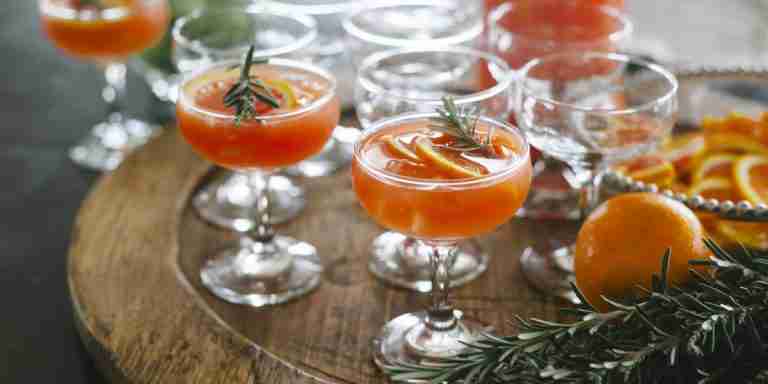
- Orange slice and rosemary sprig for garnish
Instructions:
Fill a highball glass with ice, the bigger the cubes the better. Pour in your gin and Aperol, then gently top with tonic water. Give it a brief stir, maybe three or four times around. You want to mix it without killing all the bubbles.
Garnish with an orange slice and a fresh rosemary sprig. Gently slap the rosemary between your hands before adding it to release those aromatic oils.
This drink is dangerously easy to sip. The Aperol adds a layer of complexity to the standard gin and tonic formula, giving you bitter-sweet orange notes that play off the quinine in the tonic water. It’s perfect for summer afternoons or anytime you want something refreshing that doesn’t require much effort.
The Aperol Negroni
Okay, so technically a classic Negroni uses Campari, but swapping in Aperol creates a lighter, more approachable version that’s sometimes called a Negroni Sbagliato variation when you know what you’re doing with the ratios.
Ingredients:
- 1 oz gin
- 1 oz Aperol
- 1 oz sweet vermouth
- Orange peel for garnish
Instructions:
Add all ingredients to a mixing glass filled with ice. Stir for about 30 seconds until well chilled. The stirring is important here because this is a spirit-forward cocktail that needs proper dilution to taste right.
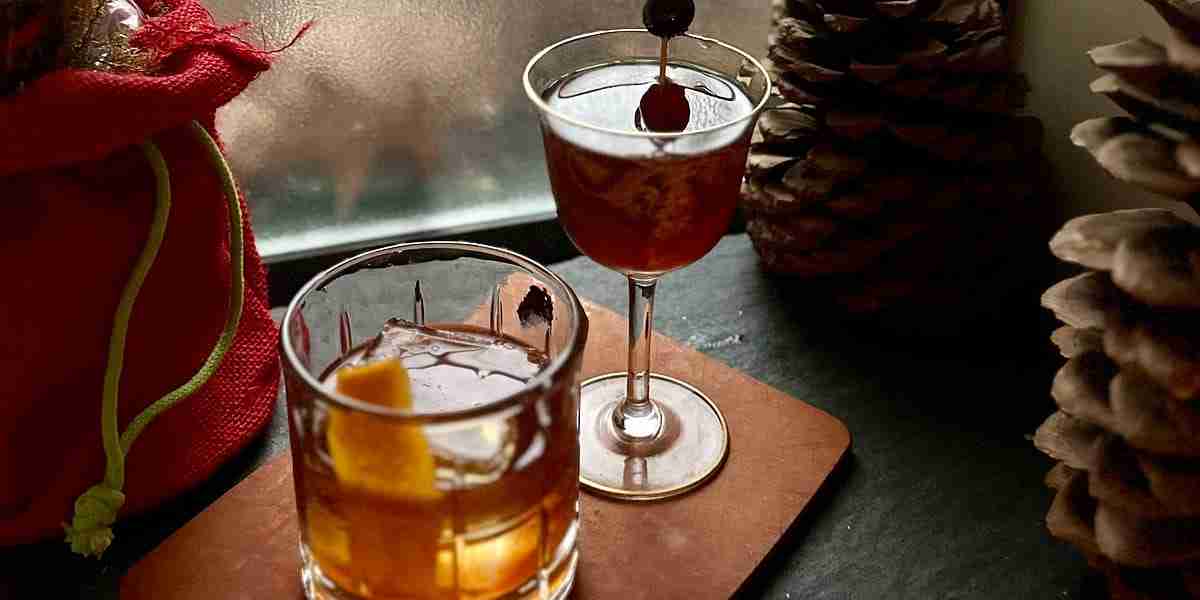
Strain into a rocks glass over fresh ice, preferably one large cube. Express an orange peel over the drink and drop it in.
This version drinks easier than a traditional Negroni because Aperol’s lower bitterness makes it more accessible. You still get that beautiful interplay between the bitter aperitif and sweet vermouth, but it’s gentler on the palate. According to The Spruce Eats, this variation has gained popularity in cocktail bars as a gateway drink for people who find classic Negronis too intense.
Aperol Tom Collins
The Tom Collins is a classic template that works with almost anything, and Aperol is no exception.
Ingredients:
- 2 oz gin
- 1 oz Aperol
- 0.75 oz fresh lemon juice
- 0.5 oz simple syrup
- 2 oz soda water
- Lemon wheel and cherry for garnish
Instructions:
Fill a Collins glass with ice. Add gin, Aperol, lemon juice, and simple syrup to a shaker with ice. Shake for about 10 seconds, then strain into your prepared glass. Top with soda water and give it a gentle stir.
Garnish with a lemon wheel and a cherry if you’re feeling fancy.
This is another easy sipper that’s great for warm weather. The soda water adds effervescence without the botanical flavor of tonic, letting the Aperol and gin really shine through. The lemon juice keeps everything bright and prevents it from tasting too sweet.
Creative Aperol and Gin Cocktail Variations
Once you’ve mastered the classics, it’s time to get creative. These variations take the basic Aperol and gin combination in different directions.
Aperol Gin Spritz
This is like the popular Aperol Spritz but with more character. Adding gin transforms it from a light aperitivo into something with real depth.
Ingredients:
- 1 oz gin
- 2 oz Aperol
- 3 oz prosecco
- 1 oz soda water
- Orange slice for garnish
Instructions:
Build this one directly in a large wine glass filled with ice. Add gin and Aperol first, then gently pour in the prosecco and soda water. Give it the gentlest stir, just once around to incorporate everything without losing the bubbles.
Add an orange slice and you’re done. This drink is all about the bubbles and the vibrant color. It’s festive, it’s Instagram-worthy, and it tastes fantastic. The gin adds backbone that keeps it from being too light and sweet.
Grapefruit Aperol Gin Fizz
Grapefruit and Aperol are natural friends, and this drink showcases that relationship beautifully.
Ingredients:
- 1.5 oz gin
- 1 oz Aperol
- 1 oz fresh grapefruit juice
- 0.5 oz lemon juice
- 0.5 oz honey syrup (equal parts honey and water)
- 1 oz soda water
- Grapefruit peel for garnish
Instructions:
Shake gin, Aperol, both juices, and honey syrup with ice. Strain into a highball glass over fresh ice and top with soda water. Garnish with a grapefruit peel.
The grapefruit brings a slightly bitter, tart quality that amplifies Aperol’s citrus character. The honey syrup adds a different kind of sweetness than simple syrup, giving the drink more complexity and a rounder mouthfeel.
Basil Aperol Martini
Here’s where we get sophisticated. This herbaceous twist uses Aperol in place of some of the vermouth in a martini.
Ingredients:
- 2 oz gin
- 0.75 oz Aperol
- 0.25 oz dry vermouth
- 3 fresh basil leaves
- Basil leaf for garnish
Instructions:
Add basil leaves to a mixing glass and gently press them with a muddler. Don’t go crazy here, you’re just waking up the oils, not making basil paste. Add gin, Aperol, and vermouth with ice. Stir for 30 seconds until very cold.
Double strain through a fine mesh strainer into a chilled coupe glass. This removes any small bits of basil. Garnish with a fresh basil leaf, giving it a gentle slap first.
This drink is elegant and complex. The basil adds an aromatic, slightly peppery note that connects beautifully with the gin’s botanicals. It’s perfect as a pre-dinner cocktail because the bitter elements actually stimulate your appetite.
Essential Ingredients and Tools
Let’s talk about what you need to make these drinks taste their best. Quality ingredients and the right tools make a huge difference.
Choosing Your Gin
Not all gins are created equal, and some work better with Aperol than others. For most of these recipes, I recommend a London Dry style gin like Beefeater, Tanqueray, or Bombay Sapphire. These are juniper-forward with a crisp, clean profile that won’t compete with Aperol’s flavors.
If you want to spend a bit more, Hendrick’s is fantastic because its cucumber and rose notes add an interesting floral quality. Plymouth Gin is another excellent choice with a slightly softer, more citrus-forward profile.
Avoid overly floral or heavily flavored gins for your first attempts. Save those experimental craft gins with unusual botanicals until you’ve got the basic combinations down. You want the gin to support and enhance the Aperol, not fight with it for attention.
Fresh Citrus Is Non-Negotiable
I cannot stress this enough: always use fresh citrus juice. The bottled stuff tastes flat and lacks the bright acidity that makes these cocktails sing. Fresh lemon and orange juice contain aromatic compounds that disappear quickly after juicing, which is why bartenders talk about using citrus within a few hours of squeezing it.
Keep lemons, oranges, and grapefruits on hand. A good citrus squeezer or reamer makes the job easy. You can juice a lemon in seconds, and the flavor difference is night and day compared to anything from a bottle.
Other Key Ingredients
Simple syrup is just equal parts sugar and water heated until the sugar dissolves, then cooled. Make a batch and keep it in your fridge. It lasts for weeks and mixes into cold drinks much better than granulated sugar.
For tonic water, go with Fever-Tree or Q Tonic. These premium tonics use real quinine and natural ingredients without high fructose corn syrup. The quality difference is noticeable, especially in a simple drink like a gin and tonic.
Good quality soda water matters too. Fresh, fizzy soda adds liveliness to drinks. If your soda water has been sitting open in the fridge for days, it’s not going to give you the bubbles you want.
Bar Tools You’ll Need
You don’t need a full professional bar setup, but a few key tools will make your life easier. Here’s what I recommend:
A cocktail shaker, either a Boston shaker or a three-piece cobbler shaker. I prefer Boston shakers because they’re easier to clean and less likely to get stuck, but cobblers are fine for home use.
A jigger for measuring. Eyeballing might work for casual drinks, but when you’re trying to get the balance right in a cocktail, precise measurements matter. Get one with multiple measurements marked on it.
A bar spoon for stirring. The long handle helps you stir properly, and many have a muddler on the opposite end.
A Hawthorne strainer if you’re using a Boston shaker. This keeps ice and muddled ingredients out of your finished drink.
Good glassware makes drinks taste better, I promise. The right glass isn’t just about aesthetics. It affects how the drink smells and how cold it stays. Highball glasses, rocks glasses, and coupe glasses will cover most of your needs.
Mixing Techniques for Aperol Gin Cocktails

The difference between a good cocktail and a great one often comes down to technique. Let me walk you through the basics.
When to Shake vs. Stir
This is one of those rules that actually matters. If your drink contains citrus juice, cream, egg whites, or anything thick or opaque, you shake it. The agitation mixes everything together and creates tiny ice shards that give the drink a pleasant texture.
If your drink is entirely spirits and liqueurs, like the Aperol Negroni, you stir it. Stirring gently combines the ingredients and chills them without adding air bubbles or breaking up the ice too much. This keeps spirit-forward cocktails silky and smooth.
Shake hard for 10 to 15 seconds. You want to hear the ice rattling around loudly. Stop when the outside of the shaker feels painfully cold in your hands. Stir for about 30 seconds, using a smooth circular motion. The drink is ready when the mixing glass frosts up on the outside.
Building Drinks Directly in the Glass
For fizzy drinks like the Aperol Gin and Tonic, build them right in the serving glass. This preserves carbonation that would be lost if you shook or stirred with ice first. Add your spirits, then gently pour in the fizzy component down the side of the glass rather than directly onto the ice. This keeps more bubbles intact.
Stir gently, just two or three times around. Over-stirring kills the carbonation and defeats the purpose of using tonic or soda water.
Ice Matters More Than You Think
Ice isn’t just for making drinks cold. It also dilutes them, which is necessary for proper flavor balance. Drinks that aren’t diluted enough taste harsh and unbalanced. Research from the International Journal of Gastronomy and Food Science shows that proper dilution can reduce perceived alcohol burn by up to 40% while enhancing aromatic compounds.
Use the biggest ice cubes you can for drinks served on the rocks. Large cubes melt slower, keeping your drink cold without watering it down too quickly. For shaking, regular ice works fine because you want it to break up and chill the drink quickly.
Always use fresh ice for the serving glass. Never pour a drink over the ice you just shook or stirred it with. That ice is already partially melted and won’t keep your drink as cold.
Garnishing Like a Pro
Garnishes aren’t just decoration. They add aroma and flavor to every sip. When you express a citrus peel, you’re releasing essential oils that float on the surface of the drink. These oils hit your nose before each sip, enhancing the overall experience.
To express a citrus peel properly, cut a wide strip of peel with as little white pith as possible. Hold it over the drink with the colored side facing down. Give it a firm twist to spray the oils onto the surface. You should see a fine mist if you do it right, and you might even see it catch the light.
Fresh herb garnishes like rosemary or basil should be gently slapped or pressed between your hands before adding them to the drink. This releases aromatic oils without bruising the herbs too much.
The Perfect Aperol to Gin Ratio
Here’s something people always ask about: what’s the right ratio? The truth is, it depends on what kind of drink you want and your personal taste preferences.
For balanced, all-around cocktails, a good starting point is 1.5 parts gin to 1 part Aperol. This gives you enough gin to taste the botanical character while letting Aperol contribute its citrus and bitter notes without taking over.
If you want something lighter and more aperitif-style, flip the ratio to 1 part gin and 1.5 parts Aperol. This works great for drinks with added bubbles like spritzes.
For spirit-forward cocktails like the Aperol Negroni, equal parts creates a nice balance, though you might adjust based on how sweet your vermouth is and how much bitterness you enjoy.
The best approach is to make a drink according to the recipe, taste it, and adjust next time. Too sweet? Add more gin or a squeeze of lemon. Too strong? Add a bit more Aperol or dilute with tonic water or soda.
Serving Suggestions and Occasions
Timing matters with cocktails. Aperol and gin drinks shine at specific times and in certain settings.
Aperitivo Hour
This is what Aperol was made for. In Italy, aperitivo hour happens before dinner, usually between 6 and 8 PM. People gather for light drinks and snacks that stimulate the appetite rather than fill you up. The bitter compounds in Aperol actually increase saliva production and gastric acid secretion, which is why aperitifs are traditionally served before meals.
Serve these cocktails with olives, nuts, cheese, cured meats, and crostini. Keep the snacks light and salty to complement the drinks.
Seasonal Considerations
While you can drink these year-round, Aperol gin cocktails really hit their stride in spring and summer. The bright citrus flavors and lighter body make them perfect warm-weather drinks. From April through September, these should be in regular rotation.
That said, the Aperol Negroni works beautifully in fall and winter because it’s a bit richer and more spirit-forward. Serve it by a fireplace with hearty appetizers.
Food Pairings
Aperol and gin cocktails pair wonderfully with Italian food, obviously, but they also work with lighter fare in general. Think grilled seafood, fresh salads, vegetable dishes, and pasta with cream sauces.
The bitter element cuts through fatty foods beautifully, which is why these drinks go so well with cheese and charcuterie. The citrus notes complement seafood naturally.
Avoid pairing them with very spicy food or heavily sweet desserts. The bitterness can clash with extreme spice, and serving them with dessert makes them taste overly bitter by contrast.
Batch Cocktails for Parties
Planning a party? These drinks scale up beautifully. For the Aperol Gin Sour or similar shaken drinks, you can pre-batch everything except the ice and egg white. Mix the spirits, citrus, and sweetener in a pitcher and keep it chilled. When someone wants a drink, shake a portion with ice and egg white.
For drinks with bubbles, batch the spirit portions but add the fizzy component to each glass individually. This keeps everything tasting fresh.
A good ratio for party planning is to assume each person will have 2 to 3 drinks over a few hours. Make slightly more than you think you’ll need.
Common Mistakes to Avoid
Let me save you from the errors I see people make all the time.
Over-Sweetening
This is the biggest one. Aperol already contains sugar, so if you also add sweet vermouth, simple syrup, and sweet tonic water, you’ll end up with something that tastes like orange soda with alcohol. Balance is everything. If a drink tastes too sweet, add lemon or lime juice next time, or use less sweetener.
Wrong Proportions
Following a recipe matters more with cocktails than with cooking. A little extra salt won’t ruin soup, but an extra half ounce of gin will throw off the whole balance of your drink. Measure carefully, at least until you’ve made the drink enough times to know what works.
Using Flat Tonic or Soda
Check your carbonation. Give the bottle a gentle squeeze before you pour. If it doesn’t feel firm and pressurized, your bubbles are gone. Once you open a bottle of tonic or soda, use it that day or the next. After that, it’s lost too much fizz to be worth using.
Skipping Fresh Citrus
I mentioned this already, but it bears repeating. Bottled citrus juice will make your drinks taste flat and artificial. It’s worth spending 30 seconds to juice a fresh lemon.
Wrong Glass Temperature
Warm glasses make cold drinks warm faster. Chill your glassware in the freezer for at least 15 minutes before making the drink, or fill the glass with ice water while you mix the cocktail, then dump it out before pouring.
Not Tasting as You Go
Professional bartenders taste their drinks before serving them. You should too. A small sip before you add the garnish tells you if something needs adjustment. Too tart? Add a little simple syrup. Too sweet? Add citrus. Not cold enough? Stir or shake longer next time.
Aperol and Gin Cocktail Quick Reference Guide
Here’s a handy reference table that shows the key characteristics of each cocktail style covered in this guide. You can use this to quickly decide which drink matches your mood, occasion, or available ingredients.
| Cocktail Name | Difficulty | Prep Time | Strength Level | Best Season | Serving Style | Key Flavor Notes |
|---|---|---|---|---|---|---|
| Aperol Gin Sour | Moderate | 3 min | Medium | Spring/Summer | Coupe, Up | Citrus, Creamy, Balanced |
| Aperol Gin & Tonic | Easy | 1 min | Medium-Light | Year-round | Highball, Rocks | Crisp, Bitter, Refreshing |
| Aperol Negroni | Easy | 2 min | Strong | Fall/Winter | Rocks | Bitter, Complex, Spirit-Forward |
| Aperol Tom Collins | Easy | 2 min | Medium | Summer | Collins, Rocks | Fizzy, Citrus, Light |
| Aperol Gin Spritz | Easy | 1 min | Light | Spring/Summer | Wine Glass, Rocks | Bubbly, Festive, Easy-Drinking |
| Grapefruit Aperol Gin Fizz | Moderate | 3 min | Medium | Spring/Summer | Highball, Rocks | Tart, Fruity, Bright |
| Basil Aperol Martini | Moderate | 3 min | Strong | Year-round | Coupe, Up | Herbaceous, Elegant, Sophisticated |
Gin to Aperol Ratio Guide:
- Light & Aperitif-Style: 1 part gin : 1.5 parts Aperol (great for spritzes and afternoon drinks)
- Balanced: 1.5 parts gin : 1 part Aperol (works for most cocktails)
- Spirit-Forward: Equal parts or 2:1 gin to Aperol (for evening drinks and before dinner)
Frequently Asked Questions
Can I substitute Campari for Aperol in these recipes?
Yes, but know that the flavor will change significantly. Campari is much more bitter and has twice the alcohol content at 24% ABV compared to Aperol’s 11%. If you make the substitution, reduce the Campari amount by about 25% and add a touch more simple syrup to balance the increased bitterness. The drinks will have a deeper red color and a more assertive bitter flavor.
What if I don’t drink alcohol?
You can create alcohol-free versions using non-alcoholic gin alternatives like Seedlip Grove or Ritual Zero Proof Gin. For the Aperol component, mix fresh orange juice with a bit of grapefruit juice, a touch of rhubarb syrup, and a couple dashes of Angostura bitters for complexity. It won’t be exactly the same, but you’ll get something in the same flavor family.
How long does an opened bottle of Aperol last?
Aperol keeps quite well compared to other aperitifs because of its sugar content and alcohol. An opened bottle will stay good for at least six months when stored in a cool, dark place. You don’t need to refrigerate it, though you can if you want to keep it chilled for making drinks. If it starts to taste flat or the color looks faded, it’s time for a new bottle.
Are these cocktails appropriate for brunch?
Absolutely! The Aperol Tom Collins and Grapefruit Aperol Gin Fizz work particularly well for brunch because they’re lighter and more citrus-forward. The effervescent quality makes them feel refreshing rather than heavy. Just maybe go easy on the number of drinks if it’s early in the day.
What’s the calorie count on these drinks?
It varies by recipe, but most of these cocktails fall in the 150 to 200 calorie range per serving. The Aperol Negroni is lower at around 140 calories because it’s just spirits with no juice or sweetener. The Aperol Gin Spritz is higher at around 220 calories because of the prosecco. If you’re watching calories, stick with recipes that use soda water instead of tonic water and minimize added sweeteners.
Can I make these drinks without a cocktail shaker?
You can, though the results won’t be quite as good. For stirred drinks like the Aperol Negroni, just use a tall glass and a long spoon. For shaken drinks, try using a protein shaker bottle or even a mason jar with a tight lid. The important thing is getting the ingredients cold and properly mixed. Just make sure whatever container you use seals tightly, or you’ll have a mess.
Final Thoughts
The combination of Aperol and gin opens up a world of cocktails that sit right in that sweet spot between approachable and interesting. You don’t need years of bartending experience or a cabinet full of obscure ingredients to make drinks that taste professional. Start with one of the classic recipes here, get comfortable with the basic techniques, and then branch out into variations that match your taste.
What I love about these cocktails is how they capture that relaxed Italian aperitivo spirit. They’re meant to be sipped slowly while you catch up with friends or unwind after a long day. They’re not about getting drunk quickly. They’re about enjoying the flavors, appreciating the craft, and taking a moment to slow down.
The beauty of cocktails is that they’re endlessly customizable. Once you understand the basic framework of how Aperol and gin work together, you can experiment with different citrus, add herbs, play with sweetness levels, and make these drinks your own. Some of my favorite variations came from happy accidents when I was out of an ingredient and had to improvise.
So grab a bottle of Aperol and your favorite gin, juice some fresh lemons, and start mixing. Pay attention to what you like and what you don’t. Adjust the recipes to match your preferences. And most importantly, enjoy the process. Making cocktails at home should be fun, not stressful. You’re creating something delicious to enjoy, not taking a chemistry exam.
Now if you’ll excuse me, all this talk about Aperol and gin has me thinking it’s time to make myself an Aperol Gin Sour. That foamy top with the citrus oils glistening on the surface, the way the first sip hits with that perfect balance of tart and sweet and botanical. Yeah, I know what I’m doing this evening. Cheers!